



Frequently Asked Questions

Questions:

1. Don't they all sound "boomy"?
2. They either need a crossover hanging on the end of the power amp or an active filter between the pre and power amps, aren't both likely to ruin the sound from any carefully chosen system ?
3. Doesn't a single sub-bass system affect stereo imaging as it has a mono output ?
4. Don't sub-bass systems always sound "slow" ?
5. A sub-bass system is no good to anyone with a small listening room.
6. Which REL sub-bass system is best for me?
7. Where is my nearest REL dealer?
8. How much do REL sub-bass systems cost?
9. Are two sub-bass systems better than one?
10. Would two sub-bass systems sound too loud in my smallish home cinema ?
11. Where should I position two sub-bass systems ?
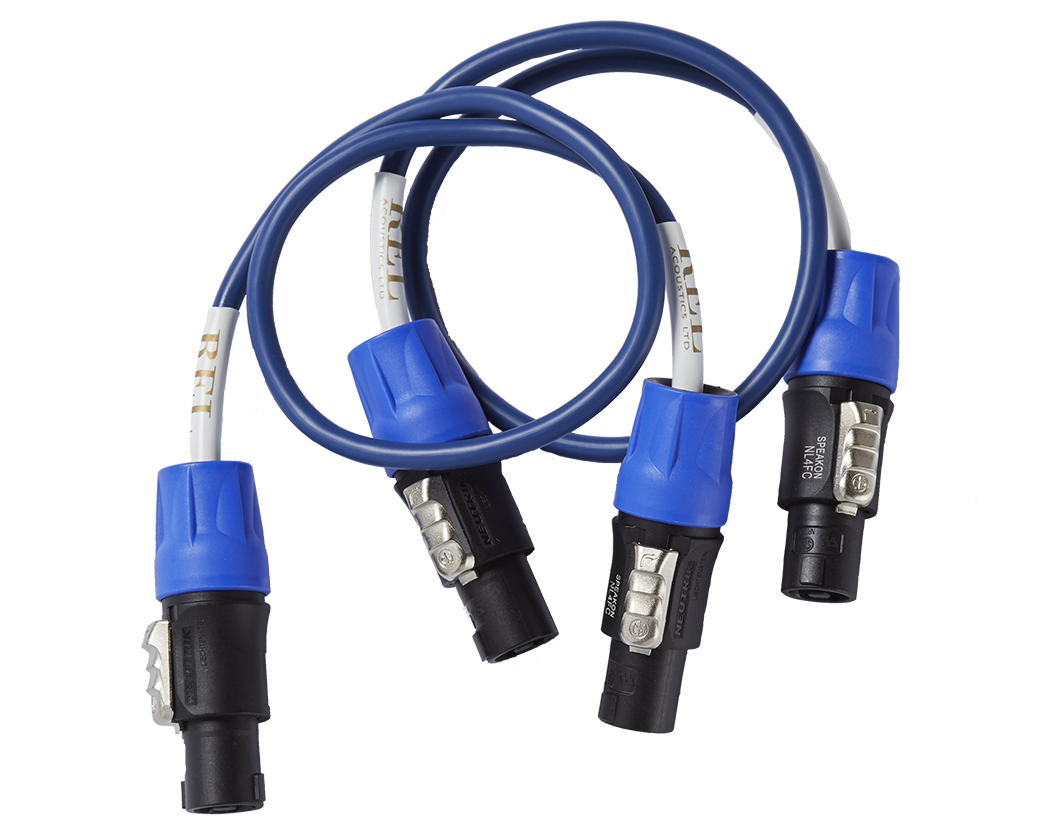
12. What is the Neutrik Speakon plug pin configuration?
13. Can high and low level inputs be used simultaneously?
14. How do you set up a Rel sub bass system?
15. Any other questions about Rel?

If you have a specific technical query, please click here to use our enquiry form.

Answers

Q1 Don't they all sound "boomy"?
A1. Some certainly do. But not a REL. There is no black magic in why a REL always sounds clean and controlled. The REL Active Bass Controller (ABC) allows the user to carefully control the sub-bass system output and to tune it to integrate with the existing main system.
Another important factor is the way REL sub-bass systems are engineered. Careful design of high quality components means the sound from a REL is always controlled and has great extension to well below audibility. The best is never the cheapest, but listening pleasure remains long after the price is forgotten. When all is considered, a REL is exceptionally good value. There are many much more expensive subs that do not offer the performance of a REL.

Q2. They either need a crossover hanging on the end of the power amp or an active filter between the pre and power amps, aren't both likely to ruin the sound from any carefully chosen system?
A2. Agreed, most do. However, REL sub-bass systems use the unique REL ABC, which circumvents this problem completely. The ABC is part of the electronics of the sub-bass system and as such does not interfere with the main signal route between pre amp, power amp and the speakers of the main system. For hi-fi use, the signal for the REL is taken at high level via the main speaker terminals on the main amplifier. The impedance of the REL’s high level input (100,000 ohms) has no adverse effect on the main system whatsoever.

Q3. Doesn't a single sub-bass system affect stereo imaging as it has a mono output?
A3. Many sub-bass systems cross over at 100 Hertz or sometimes even higher. In these cases the sub-bass system can affect stereo imaging. REL sub-bass systems when correctly set up, cross over below your main speakers, preserving the stereo information of your present system exactly as it is. There is no compromise when using a REL.

Q4. Don't sub-bass systems always sound "slow"?
A4. Some certainly do. Any device that stores energy (including some rooms) will subjectively appear to slow the tempo of the music. REL sub-bass systems use optimum damping within strongly braced enclosures together with large magnet/cast chassis drivers, which offer a superb transient performance. Great care has been taken over all aspects of the design to ensure a "quick" tuneful bass. There is no point in choosing a superb sounding main system only to ruin its sound with a mediocre sub-bass system. Many sub-bass system manufacturers are happy to sell a system that relies on passive components between your power amp and your main system. This will result in poor performance.

Q5. A sub-bass system is no good to anyone with a small listening room.
A5. It was this aspect of bass reproduction that started Richard Lord’s quest for a solution. The REL ABC will ensure that the sub-bass system matches your room. It drives your room at below its lowest eigentone (the lowest frequency affected by your room). By simple adjustment of the ABC it is easily and quickly possible to ensure that there is no "room boom" (the usual consequence of using any speaker with an extended bass response in a small room).

Q6. Which REL sub-bass system is best for me?
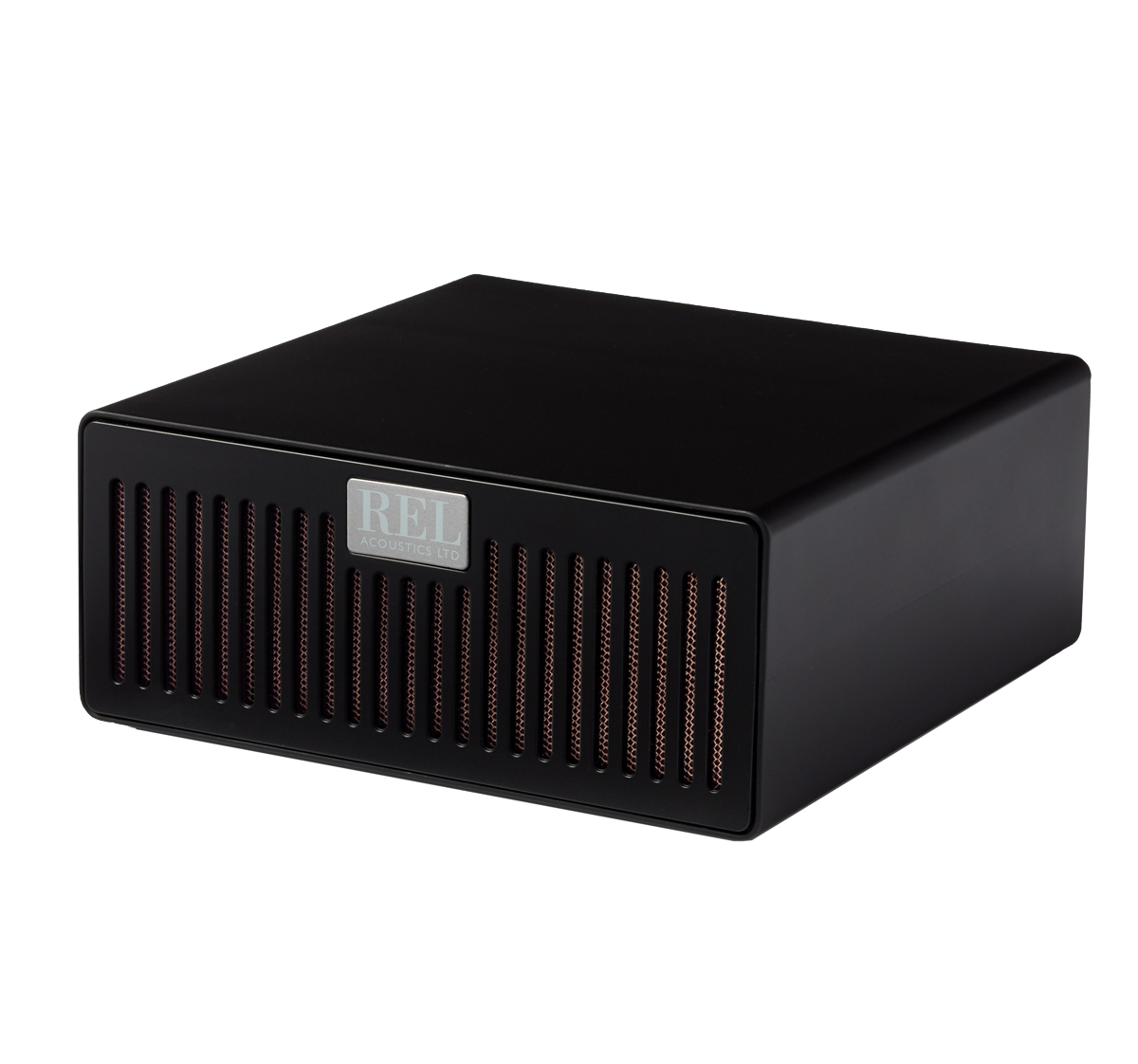
A6. Any of the REL range of subs could be used with your system.
REL’s level of control makes it possible to integrate REL designs with any system and any room.
However, if your main consideration is hi fi then we would generally suggest looking at our ‘ST’ range, if it is home cinema then the ‘Q’ series may be more appropriate.
Acoustically, either the 'ST' or the 'Q' range work excellently in either a hi-fi or home cinema system. However, the inputs on the 'Q' range are slightly more oriented towards home cinema use.
When choosing which REL model is best for you, the best advice we can offer is to go to your local dealer and listen to various models. Most of our dealers are quite willing to do a home demo for potential customers. This is clearly the best option to choose before finally making your decision.

Q7. Where is my nearest dealer?
A7. Worldwide there are far too many dealers for us to list. However, if you contact the REL distributor for your country, they will be able to give you the details of your nearest dealer.
If there is no distributor in your country, then please contact our sales team for information on how to purchase a REL.
If you live in the UK, we have a dealer list available
.
Q8. How much do REL sub-bass systems cost?
A8. We are often asked ‘why don't you list the prices on the web site?’
Our sub-bass systems are available in many countries and in many currency denominations throughout the world. Rather than list the price in each country, we feel it is far simpler to direct customers to their nearest dealer.


Q9. Are two sub-bass systems better than one?
A9. Two sub-bass systems are generally thought to produce a more even and controlled bass response in-room. The best way to find out is to listen to a single system and then add another in your own home. Two subs almost certainly would be better if you listen at higher volumes. However, one REL sub-bass system is the best way to begin to enjoy the bass from your system. The advice to anyone on a budget would be to buy a single system and then add another when you think you need it.

Q10. Would two sub-bass systems sound too loud in my smallish home cinema?
A10. Two sub-bass systems (running at half the volume) would sound just as loud as one. With two you reduce directionality and gain better control/headroom at high sound pressure levels.

Q11. Where should I position two sub-bass systems?
A11. The first position to try would be in the corners next to the main left and right speakers (This is the recommended position, which is explained in the set up guide in the user manual and on the REL website). However, if space at the front is tight, (and your other speakers are close together), having two sub-bass systems may make things sound too ‘muddy’. Putting a second behind your listening position should work, but because every room is different, the importance of experimentation cannot be underestimated - evaluate all your options and use what sounds best.

Q12. What is the Neutrik Speakon plug pin configuration?
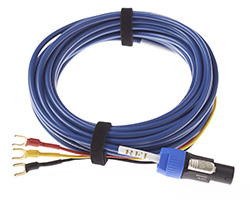
A12. The Neutrik Speakon plug pin configuration is as follows:-

The pins in the Neutrik Speakon plug are numbered 1+, 2+, 1- and 2-

1+ connects to the right hand speaker red terminal at rear of amplifier or speaker

2+ connects to the left hand speaker red terminal at rear of amplifier or speaker

1- or 2- connects to either right or left speaker black terminal at rear of amplifier or speaker

Q13. Can high and low level inputs be used simultaneously?
A13. Yes, all Rel sub bass systems are designed to use high and low level inputs simultaneously if required. Both high and low inputs have independent gain controls.


Q14. How do you set up a Rel sub bass system?
A14. Setting up is covered comprehensively in the user manual and also on the Rel website.

Q15. Any other questions about REL?
A15. Any other questions you have can be answered by a REL dealer. Your dealer will provide you with advice, brochures, a price list, a demonstration, and often the loan of a sub-bass system for a home trial.

Alternatively please submit your technical query on the form supplied